Hot weather is here, and that doesn't mean giving up coffee. A steaming cup isn't always what you want on a warm day, but you don't have to trade flavour and caffeine for comfort. Cold brew — coffee steeped slowly in cold water — is the answer for anyone who wants a refreshing coffee fix. Its whole character comes from how it's made.
Here's how to make great cold brew at home. It isn't the same as regular coffee poured over ice — it's a different drink altogether, made by steeping coarse coffee grounds in cold water for many hours instead of brewing with heat. With a few simple guidelines, you can make cold brew at home and enjoy it all summer long.
Spis treści / Table of contents
- What Is Cold Brew and How Is It Different from Iced Coffee?
- Which Coffee Should You Choose for Cold Brew?
- Cold Brew Recipe – Step by Step
- How to Serve Cold Brew
- Frequently Asked Questions About Cold Brew
What Is Cold Brew and How Is It Different from Iced Coffee?
Cold brew is coffee made by steeping coarse grounds in cold water for many hours instead of brewing with heat. The process is a slow extraction: cold water gradually draws flavour compounds out of the grounds, without the heat that usually speeds this up. The result is a cup with a notably smooth texture, natural sweetness and low acidity — a good alternative for anyone who finds classic brewing methods too intense. Making cold brew is simple, but it takes time — anywhere from 8 to 24 hours — while the grounds slowly release their aroma and caffeine into the water.
Light-roasted beans work especially well for cold brew. If you enjoy fruity, bright flavours, reach for African coffees (Ethiopia, Kenya, Rwanda, Burundi); if you prefer something sweeter, look to Central and Latin America (Brazil, Peru, Colombia).
Speaking of caffeine — here's how long caffeine actually stays in your system.

What makes cold brew so different? It comes down to the extraction method. Hot brewing dissolves flavour compounds and oils almost instantly; cold brew instead relies on low temperature and a long contact time between water and coffee. The result is a mellow, velvety cup, often with subtle notes of chocolate, caramel, nuts, or even fruit, depending on the beans used. Because it's also filtered, cold brew tends to be gentler on the stomach than regular coffee.
Iced coffee, by contrast, is simply coffee brewed hot and then cooled with ice. It's quick and convenient, but it differs from cold brew in both flavour and body. Hot water dissolves coffee's compounds instantly, so the drink keeps more of its original intensity — it tastes similar to standard hot coffee, just served cold, sometimes with sharper citrus or black-tea-like notes. The ice itself also dilutes both the flavour and the texture as it melts.
Read also: Which coffee beans are gentle on the stomach

Key Differences Between Cold Brew and Iced Coffee
| Feature | Cold Brew | Iced Coffee |
|---|---|---|
| Brewing method | Steeped in cold water for 8–24 hours | Brewed hot, then cooled |
| Flavour | Smooth, naturally sweet, low acidity | More intense, sharper acidity and bitterness |
| Caffeine content | Usually higher (longer extraction) | Standard for hot coffee |
| Body | Fuller, oilier texture | Lighter, with sharper acidic notes |
| Prep time | 8–24 hours | A few minutes |
What Makes Cold Brew Different?
Choosing between cold brew and iced coffee comes down to preference. If you value speed and bold flavour, iced coffee is the better fit. If you'd rather have a gentler, sweeter drink you can prepare ahead of time, cold brew is the way to go — especially on hot days.
- Gentler flavour – cold brew suits anyone who's not a fan of sharp acidity.
- Natural sweetness – the long extraction draws out more chocolate and caramel notes.
- More caffeine – cold brew concentrate can contain up to 1.5–2 times more caffeine than a standard cup.
- Longer shelf life – keeps well in the fridge for up to 5 days.
- Versatility – a great base for other drinks, from cold brew lattes to tonics and coffee cocktails.
Which Coffee Should You Choose for Cold Brew?
Unlike hot brewing, where heat intensifies both aroma and acidity, cold brew relies on a long steep in cold water — so a few things are worth considering when picking your beans.
Roast Level – Light or Medium?
Light and medium roasts work best for cold brew. Light roasts highlight fruity and floral notes, which become especially delicate and fresh after a long steep — expect citrus, jasmine, or even tea-like notes, making for a light, refreshing drink that's ideal on hot days.
Medium roasts offer a fuller, more balanced profile, with caramel, chocolate and nutty notes dominating. Expect deeper body and a natural sweetness reminiscent of dessert-style chocolate or cocoa — a good choice if you prefer a smooth, classic cold brew with minimal acidity and gentle bitterness.

Dark roasts, surprisingly, can also show an interesting character in cold brew — quite different from light roasts, but worth exploring in its own right. Very dark roasts turn almost liqueur-like in cold brew: rich, chocolatey, dry-sweet. Dark-roasted beans often carry smoky, toasted notes. It's worth experimenting to see what cold extraction does to a bolder bean.
Single Origin or Blend?
Single-origin coffees — beans from one specific growing region — tend to work best for cold brew, since their distinct flavour profiles come through clearly during long steeping. For fruity, bright flavours choose African coffees (Ethiopia, Kenya, Rwanda, Burundi); for something sweeter, go for Central or Latin America (Brazil, Peru, Colombia). Their rich aromatic range — fruity, floral, citrus notes — becomes even fresher and lighter when served cold.

If you prefer a more balanced cup, a blend — beans from several regions — is a good option. Blends usually offer more consistent flavour and are less experimental than single origins, which suits anyone after a classic, well-rounded cold brew.
Freshness – the Key to Aroma
As with any coffee, freshness matters a lot. The best cold brew comes from freshly roasted beans, ideally used within 3–4 weeks of the roast date. After that, the beans start to lose aromatic intensity, which affects the final cup. For the best flavour, grind the beans right before brewing — pre-ground coffee loses its qualities much faster, resulting in a flatter, less aromatic drink. If you can, buy whole beans and grind them fresh just before steeping.
Our Picks for Cold Brew
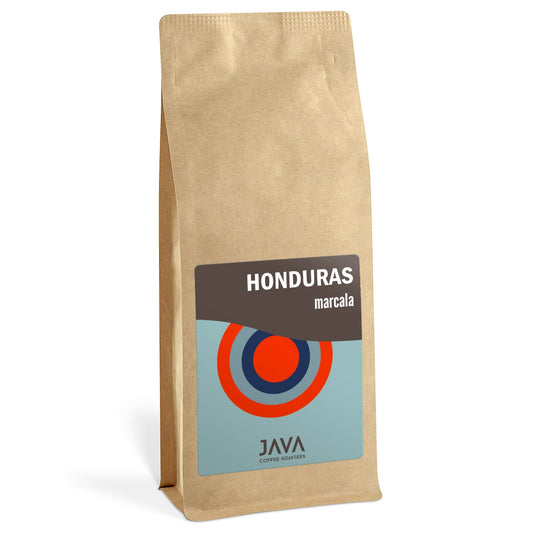
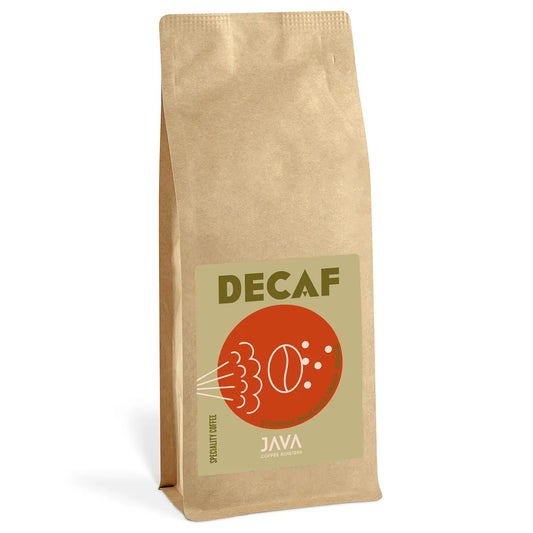
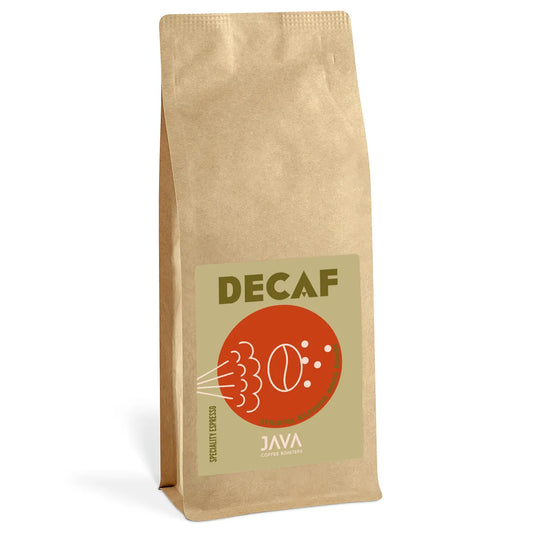
Not sure where to start? Here are three coffees that each show a different side of themselves in cold brew. Ethiopia Buncho — a specialty coffee from the Sidama region, honey-processed — opens with a clear, tea-like, citrusy cup that on a hot day tastes almost like a coffee take on iced lemon tea. If you'd rather have something fuller and less acidic — especially if you plan to mix your cold brew with milk — reach for the darker-roasted Marcala, with notes of chocolate, brown sugar and dried fruit. And on truly hot days, when you want the refreshment without the extra caffeine, Ethiopia Bombe Decaf is a great option — still a light roast, so it won't taste out of place next to the first pick.

Grind Size – How Coarse Should It Be?
Grind size has a major effect on cold brew's final flavour. A coarse grind is best — think sea salt or coarse sugar in texture. This allows for a slow, even extraction, keeping the cup clean and smooth.
- Too fine a grind (espresso-level, for example) will make the cold brew overly intense, with a bitter, harsh, drying finish.
A burr grinder makes this easier, since it lets you control grind size and keeps the grounds consistent.
Cold Brew Recipe – Step by Step
What you'll need:
- 55 g coarsely ground coffee (about 5 tablespoons) – ideally ground just before brewing to keep the aroma at its best. The grind should look like coarse salt or cane sugar.
- 1,000 ml filtered water at room temperature – use fresh, low-mineral water where possible, since water quality has a real impact on the final cup. Hard water can mute the coffee's subtler notes.
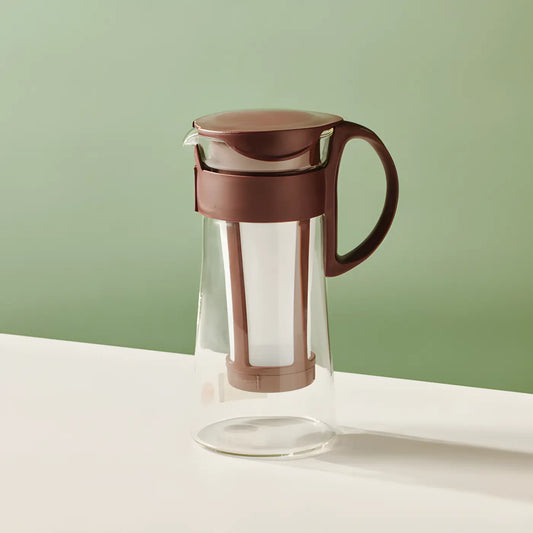
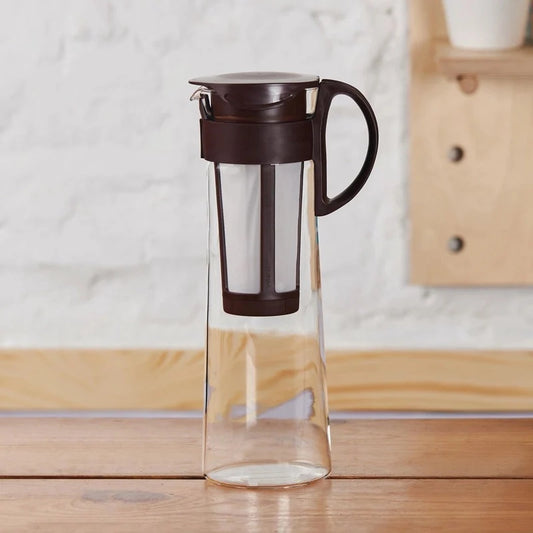
- A jar or pitcher with a lid – glass is best, since it won't affect the flavour. Avoid plastic containers, especially ones that might carry over odours.
- A coffee filter, cheesecloth, or fine sieve for straining – paper filters give the cleanest cup, while a metal sieve or cheesecloth will produce a more full-bodied, oilier brew.

How to Make Cold Brew
- Add the ground coffee to your container. Prepare the coarsely ground coffee and add it to a large jar, pitcher, or dedicated cold brew maker. Ratios can vary by taste, but a standard starting point is 1:16 (e.g. 60 g coffee to 1,000 ml water).
- Add cold water and stir gently. Pour in cold, filtered water — ideally at room temperature, since very cold water can slow extraction slightly. Stir gently with a spoon to make sure all the grounds are wet and none are left dry on the surface. There's no need to stir hard — a few turns is enough to settle the grounds evenly.
- Cover and refrigerate for 12–16 hours. Seal the container with a lid or cling film and place it in the fridge. 12–16 hours is the sweet spot, letting the coffee release its aroma and caffeine gradually for a smooth cup. You can experiment with steeping time:
- 8–10 hours – a lighter cold brew with a more delicate flavour.
- 12–16 hours – a fuller cup with good balance and depth.
- 18–24 hours – a strong concentrate you can dilute later with water or milk.
- Strain the coffee through a paper filter or sieve. Once steeping is done, take the container out of the fridge and strain out the grounds. A few options:
- a paper coffee filter – gives the cleanest cup, removing most oils and fine sediment,
- a fine metal sieve – quicker, but the result will be a bit oilier,
- cheesecloth or a reusable filter – an alternative if you'd rather avoid single-use paper filters.
- Transfer to a bottle and refrigerate for up to 5 days. Store finished cold brew in a tightly sealed glass bottle or jug, so it doesn't pick up other smells from the fridge. It stays fresh for up to 5 days, though it tastes best within the first 3. If you made a concentrate, dilute it with water or milk before serving.

How to Serve Cold Brew
Cold brew over ice – the simplest, cleanest way to serve it. Fill a glass with ice and pour the cold brew over it. This keeps the coffee's natural flavour fully intact. If it tastes too strong, dilute it slightly with water, roughly 1:1.
Cold brew latte – fill a glass with ice, pour in cold brew (about two-thirds of the glass), then top up with cold milk or a plant-based drink (almond, oat, coconut). A touch of vanilla or cinnamon syrup adds subtle sweetness.
Cold brew with Cascara – Cascara deserves a story of its own — neither coffee nor tea, yet increasingly popular in cafés and on summer tables. We now carry a Cascara concentrate too: a natural syrup made from dried coffee cherries with a fruity, lightly tea-like character. For cold-brew-based cocktails, or for drinking cold brew with milk, this Cascara concentrate is a great fit — cold brew with milk can taste a little sharp and rough on its own, and a touch of this natural cherry concentrate rounds it out nicely.

Cold brew tonic – one of the most popular cold coffee combinations out there. It pairs coffee's intensity with tonic's fizz and freshness. Fill a glass with ice, pour in two-thirds tonic and one-third cold brew, then add a lemon or orange slice to bring out the citrus notes. The result: a lightly sparkling, energising, deeply refreshing drink — perfect for hot days.
Coffee milkshake-style drink – cold brew pairs beautifully with mix-ins, so it makes a great base for a sweet, refreshing drink. Blend the concentrate with ice, milk and vanilla syrup for something close to a dessert-style coffee shake. For extra indulgence, top with whipped cream and a dusting of chocolate or cocoa.
Looking for decaf coffee? Read our next article to find out more.
Frequently Asked Questions About Cold Brew
What is cold brew and how is it different from iced coffee?
Cold brew is coffee steeped in cold water for many hours, while iced coffee is regular hot-brewed coffee cooled down with ice. Cold brew is smoother, less acidic, and naturally sweeter.
What's the best coffee-to-water ratio for cold brew?
A standard ratio is 1:16 — 60 g coffee to 1,000 ml water.
Can you heat up cold brew?
You can, but it loses flavour in the process — brewing a fresh hot coffee is a better option if you want it warm.
How long does cold brew keep?
Up to 5 days in the fridge, ideally in a sealed container.
Does cold brew have more caffeine than regular coffee?
Yes — the longer extraction means cold brew concentrate can contain up to 1.5–2 times more caffeine than a standard cup.
How coarse should the grind be for cold brew?
Coarse — similar in texture to sea salt or coarse sugar. A finer grind will produce a bitter, harsh-tasting brew.
Which coffee should I choose for cold brew?
Light or medium-roasted single-origin coffees work best, giving a light, fruity profile that comes through clearly during long steeping.
Can cold brew be made with milk?
Yes — cold brew pairs well with milk or plant-based drinks. It's worth choosing a darker roast with a fuller, less acidic profile, or lightly sweetening it with a natural fruit syrup, since cold brew can taste sharp and rough when mixed with milk on its own.
Can you make decaf cold brew?
Yes — simply use a light-roast decaf coffee. The flavour is very close to the classic, caffeinated versions.