At first glance, it looks like ordinary tea with milk. But anyone who has tasted a well-made chai latte knows it is more than that. It is a drink that brings together history, culture and the aroma of spices from distant parts of the world.
Roots in India
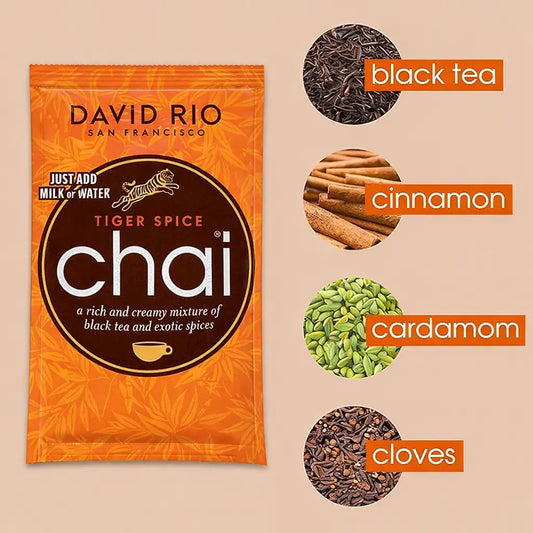
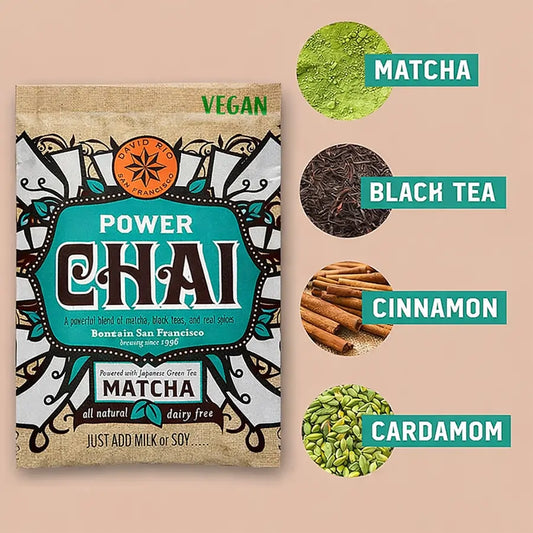
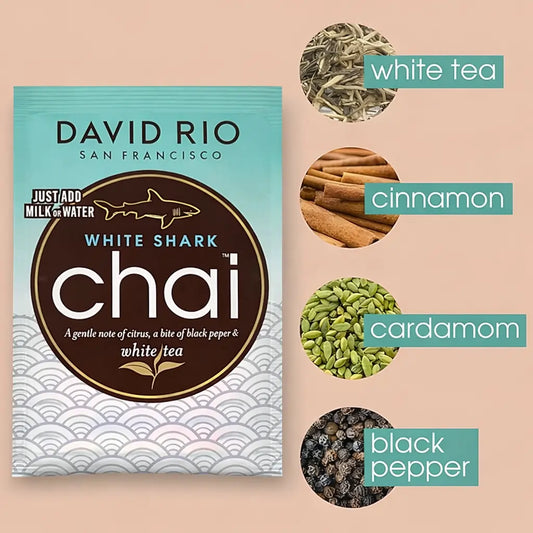
Chai simply means "tea". In India, it has been more than a drink for centuries – it is a social ritual. It was traditionally made from black tea, milk, sugar and a spice blend called masala. Every home and every family had its own recipe, but the same spices kept coming back: ginger, cardamom, cinnamon, cloves and pepper.
Chai began as a street drink, sold by chai wallahs in small clay cups. Over time, it became a symbol of everyday life and hospitality in India.

San Francisco and the David Rio brand
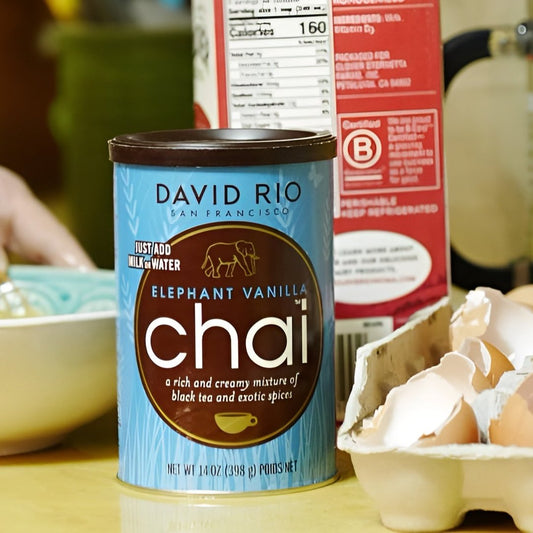
In the 1990s, chai reached the West – and San Francisco in particular. This is where David Rio was founded in 1996. The brand took the traditional Indian drink and gave it a new form: convenient, creamy and easy to prepare in cafés and at home.
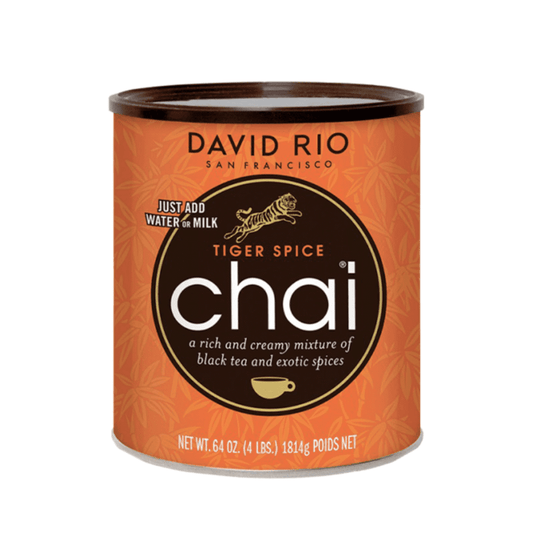
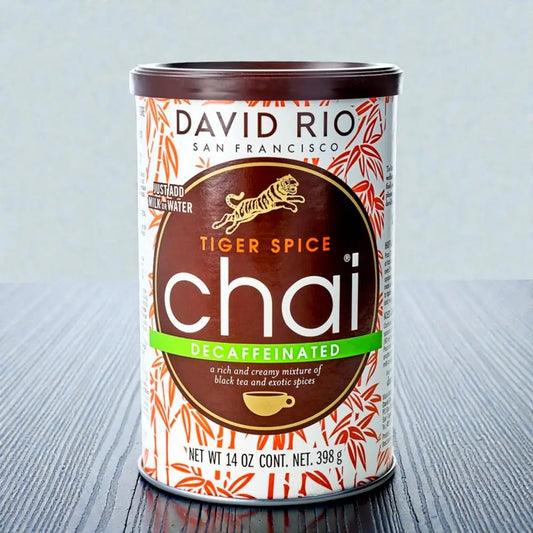
From the start, David Rio focused on quality and flavor, but also on values. Most of its chai varieties are named after endangered or at-risk animals (for example, Tiger Spice Chai®), and the company regularly supports organizations that protect wildlife and animal welfare, including IFAW. This makes a cup of chai latte something more – a small gesture of care.

Today, David Rio chai is sold in more than 50 countries, in cafés and in home kitchens around the world.
Did you know? Tiger Spice Chai® has a real patron. In 1999, to celebrate its signature chai, David Rio "adopted" Thor – a five-month-old Bengal tiger at Cat Tales Zoological Park. The brand supported his care for more than 15 years. After Thor died in 2014, David Rio continued its support by adopting his older brother, Atlas.

Thor (died 2014) – the first patron of Tiger Spice Chai®
Bacanha – a modern twist
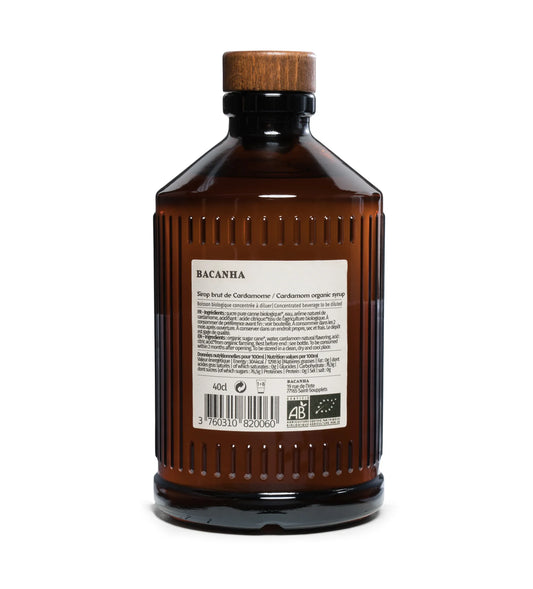
The classic chai latte base – tea and spices – is a good starting point for new accents. Bacanha Cardamome syrup works especially well here. It strengthens the cardamom note and brings out the warm, spiced character of the drink.
Why Bacanha?
- the syrups are organic,
- they are made in Paris from natural ingredients,
- they combine good design (amber bottles) with everyday practicality.
An accent like this gives chai latte an even more distinctive flavor.

JAVA Coffee Roasters and Sproud – a duo that makes a difference
A chai latte needs a milky base. For a plant-based version, Sproud Barista is a great choice – it foams like regular milk and pairs well with spices. To finish, add a little Sproud Cream, a plant-based whipping cream.
If you want a drink that combines tea and coffee, you can add espresso from JAVA Coffee Roasters to your chai latte. This is called a Dirty Chai – a drink that has become popular in cafés around the world.
Chai latte recipe with David Rio and Bacanha
Ingredients (1 serving)
- 2 slightly heaped tablespoons of David Rio chai, e.g. Tiger Spice (about 28 g or 1 sachet)
- 150 ml Sproud Barista plant-based drink
- 20 ml Bacanha Cardamome syrup
- Sproud Cream plant-based whipped cream
- optional: 1 shot of JAVA espresso (for a Dirty Chai).
Preparation
- Dissolve the David Rio chai in a small amount of hot water.
- Heat and froth the Sproud plant-based drink.
- Combine the chai base with the plant-based drink and add the Bacanha syrup.
- Top with Sproud Cream and a pinch of cinnamon.

Chai latte as a ritual
Chai latte brings people together – in India, in San Francisco and in Warsaw. It is warm, aromatic and full of spice and history. With David Rio, Bacanha and Sproud, you can make it at home in a few minutes, with all the flavor and the values behind these brands.
Frequently asked questions about chai latte (FAQ)
What is chai latte?
Chai latte is a drink made from black tea and a spice blend – usually ginger, cardamom, cinnamon, cloves and pepper – combined with frothed milk or a plant-based drink. It comes from Indian masala chai and took its creamy, café-style form in the West in the 1990s.
What is the difference between chai and chai latte?
In India, the word "chai" simply means tea, and traditional masala chai is made from black tea, milk, sugar and spices. Chai latte is the Western version: a ready-made chai blend or concentrate is combined with frothed milk, as in a coffee latte.
Does chai latte contain caffeine?
Yes. Chai latte is made with black tea, so it contains caffeine: according to David Rio, about 20–40 mg per serving of about 200 ml. If you want to drink chai in the evening, choose a decaffeinated version, such as David Rio Tiger Spice Decaf.
What is Dirty Chai?
Dirty Chai is a chai latte with a shot of espresso. The warm spices and sweetness of chai meet the depth and light bitterness of coffee. At home, simply add one espresso to a finished chai latte.
How do you make chai latte at home?
Dissolve the chai powder in a small amount of hot water, heat and froth milk or a plant-based drink, then combine the two. For a stronger cardamom note, add cardamom syrup.
Which milk is best for chai latte?
Any milk that foams well – dairy milk or a plant-based barista drink. Barista drinks such as Sproud Barista, made from yellow peas, foam much like milk and pair well with spices.
Is chai latte sweet?
A classic chai latte, for example with David Rio Tiger Spice (which contains cane sugar), has a gently sweet, spiced flavor – the sweetness balances the strength of the black tea and spices. If you want to avoid sugar, you can choose a sugar-free chai blend. It is sweetened with sucralose, so it still tastes sweet.
Is there a sugar-free David Rio chai?
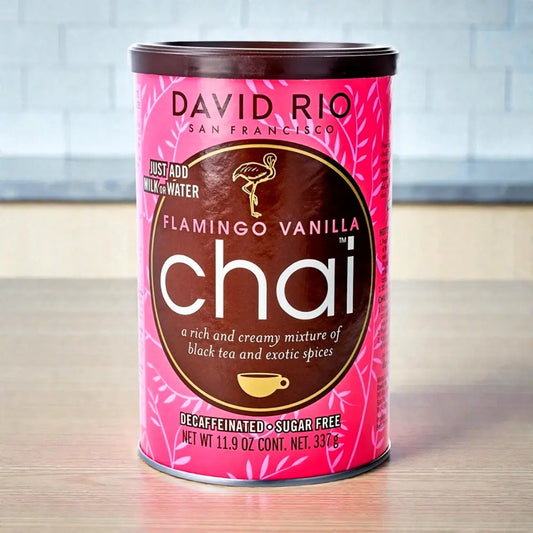
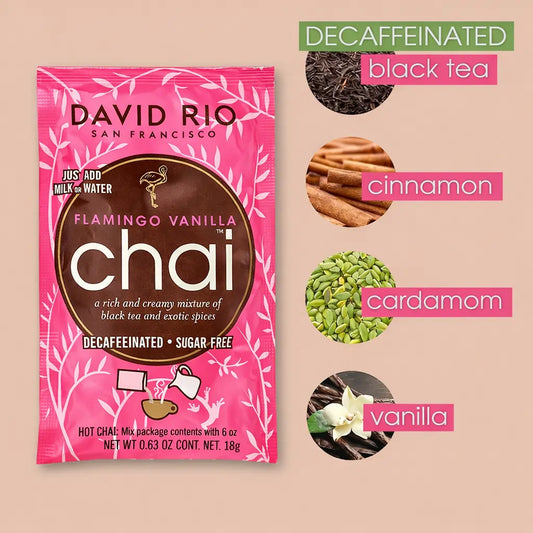
Yes. Two varieties are sugar-free: Orca Spice, a spiced blend of black tea and spices, and the vanilla-flavored Flamingo Vanilla. Both are sweetened with sucralose, and according to David Rio, one serving of the powder has about 65 kcal. Flamingo Vanilla is also available in 12 × 18 g sachets.
Does David Rio support animal protection?
Yes. Most David Rio chai varieties are named after endangered or at-risk animals, and the brand's most important partner is IFAW (International Fund for Animal Welfare). Every year, David Rio supports two IFAW programs. The first protects tigers by fighting poaching, protecting habitats, and rescuing and rehabilitating orphaned animals. The second covers about 1,400 elephants in the Amboseli National Park area in Kenya: it protects their migration routes and supports the local Maasai community. The brand also helps local organizations, such as the Peninsula Humane Society & SPCA in California and Cat Tales Zoological Park, which it has worked with since 1999.
Sources
- David Rio, About, davidrio.com
- David Rio, FAQ, davidrio.com
- David Rio, Chai Life, davidrio.com
- David Rio, Cat Tales, davidrio.com
- IFAW – International Fund for Animal Welfare, David Rio – partner profile, ifaw.org